June 11, 2026
Painting is often seen as basic maintenance, but in real estate, it is a high-impact driver of value and ROI. It shapes buyer, tenant, and appraiser perception while improving appearance, durability, and long-term cost efficiency. Painting contractors ensure these improvements are executed strategically, helping properties align with market expectations and achieve stronger valuation, faster sales, and improved investment stability.
Enhancing Property Value
Property value is heavily shaped by first impressions, and paint condition is one of the most visible indicators of maintenance quality. A clean, uniform finish immediately signals care, which positively influences perceived value. Painting contractors ensure this impression is consistent across all surfaces, creating a cohesive and market-ready appearance that supports higher valuation. The scale of the industry reflects the value property owners place on professional painting services. According to IBISWorld, the U.S. painting industry is valued at approximately $44.0 billion in 2025, demonstrating the ongoing role painting plays in property improvement and maintenance strategies. This investment is driven in part by the ability of professionally executed painting projects to enhance perceived value and support stronger market performance.
Beyond aesthetics, contractors contribute to value creation through technical execution. Proper surface preparation, correct material selection, and professional application techniques all influence how durable and refined the finish appears. These details affect how appraisers and buyers assess a property’s overall worth. Even modest painting improvements can result in measurable financial gains. Properties that appear modern and well-maintained often generate stronger interest, leading to more competitive offers. Contractors help maximize this effect by ensuring that every visible surface supports a consistent visual standard. Over time, properties maintained by contractors tend to hold value more effectively. This is particularly important for investors focused on long-term appreciation, as consistent upkeep reduces depreciation risks and stabilizes asset performance across market cycles.
Reducing Project Costs
Cost efficiency is one of the most important aspects of any property improvement strategy. Painting projects can be either highly efficient or unnecessarily expensive, depending on the quality of planning and execution. One of the most direct financial benefits is accurate material estimation. Painting contractors assess surface area, condition, and product requirements precisely, which reduces over-ordering and minimizes unused materials. This helps ensure that project budgets remain stable from start to finish.
Labor efficiency is another key factor. Contractors organize tasks in a way that reduces downtime and avoids unnecessary repetition. This structured workflow allows projects to be completed faster while maintaining quality standards, improving overall return on investment.
Established supplier relationships also contribute to cost savings. Contractors often access materials at reduced rates, especially for larger or recurring projects. These savings accumulate significantly in multi-unit properties or long-term investment portfolios.
Strengthening Safety Standards
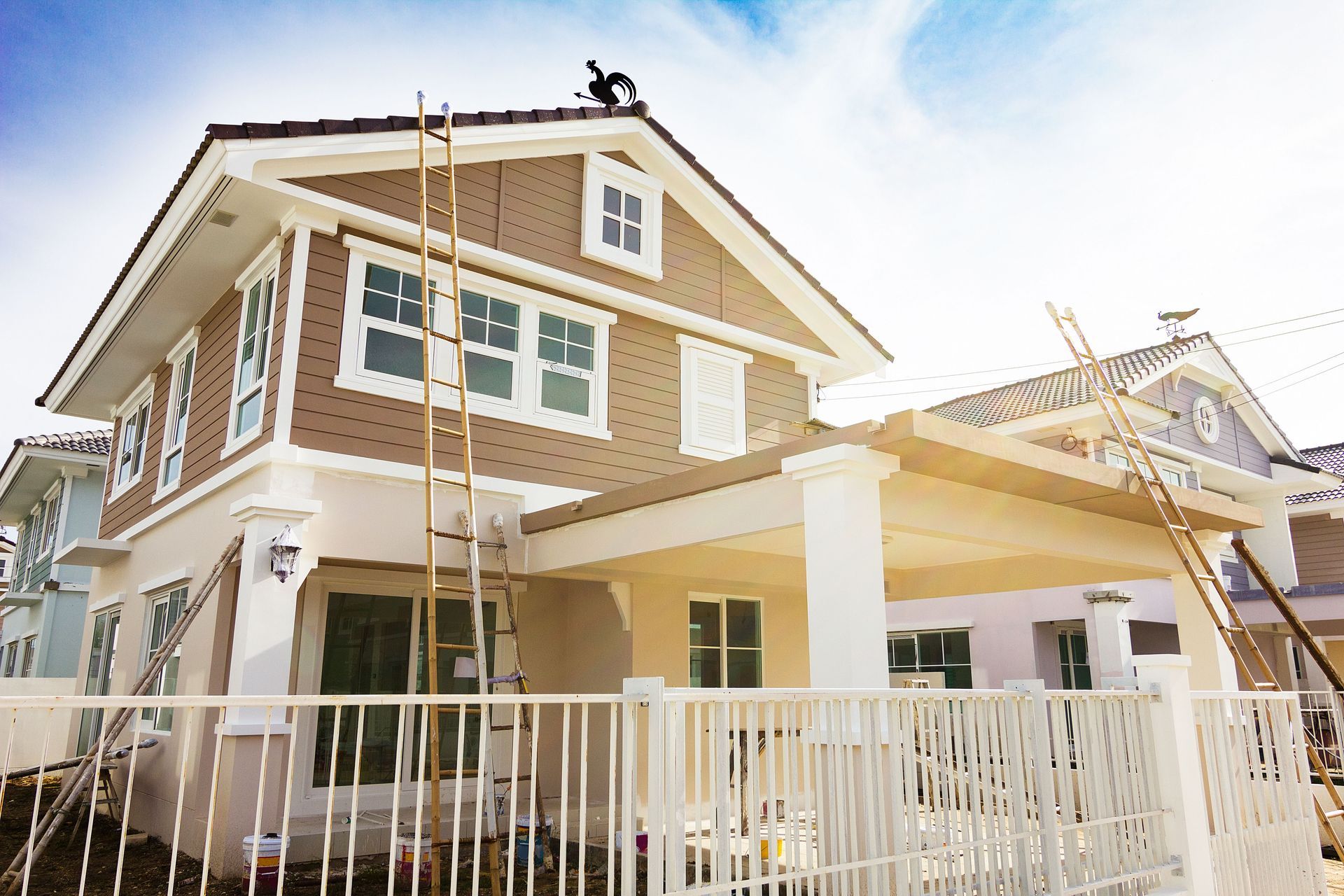
Safety is a critical component of any painting project, particularly when work involves heights, equipment, and chemical exposure. Painting contractors reduce risk by following standardized safety procedures designed to protect both workers and property owners. Professional contractors typically carry insurance coverage that provides financial protection in case of accidents or property damage. This reduces liability exposure for property owners and ensures that unexpected incidents do not negatively affect investment returns.
Training plays a major role in maintaining safe work environments. Contractors ensure that workers are trained in equipment handling, hazard recognition, and safe application practices. This reduces the likelihood of accidents and improves overall project reliability.
Risk management also extends to quality control. Improper application can lead to premature deterioration, moisture damage, or surface failure. Contractors help prevent these issues by applying materials correctly and ensuring proper preparation before painting begins.
Improving Curb Appeal
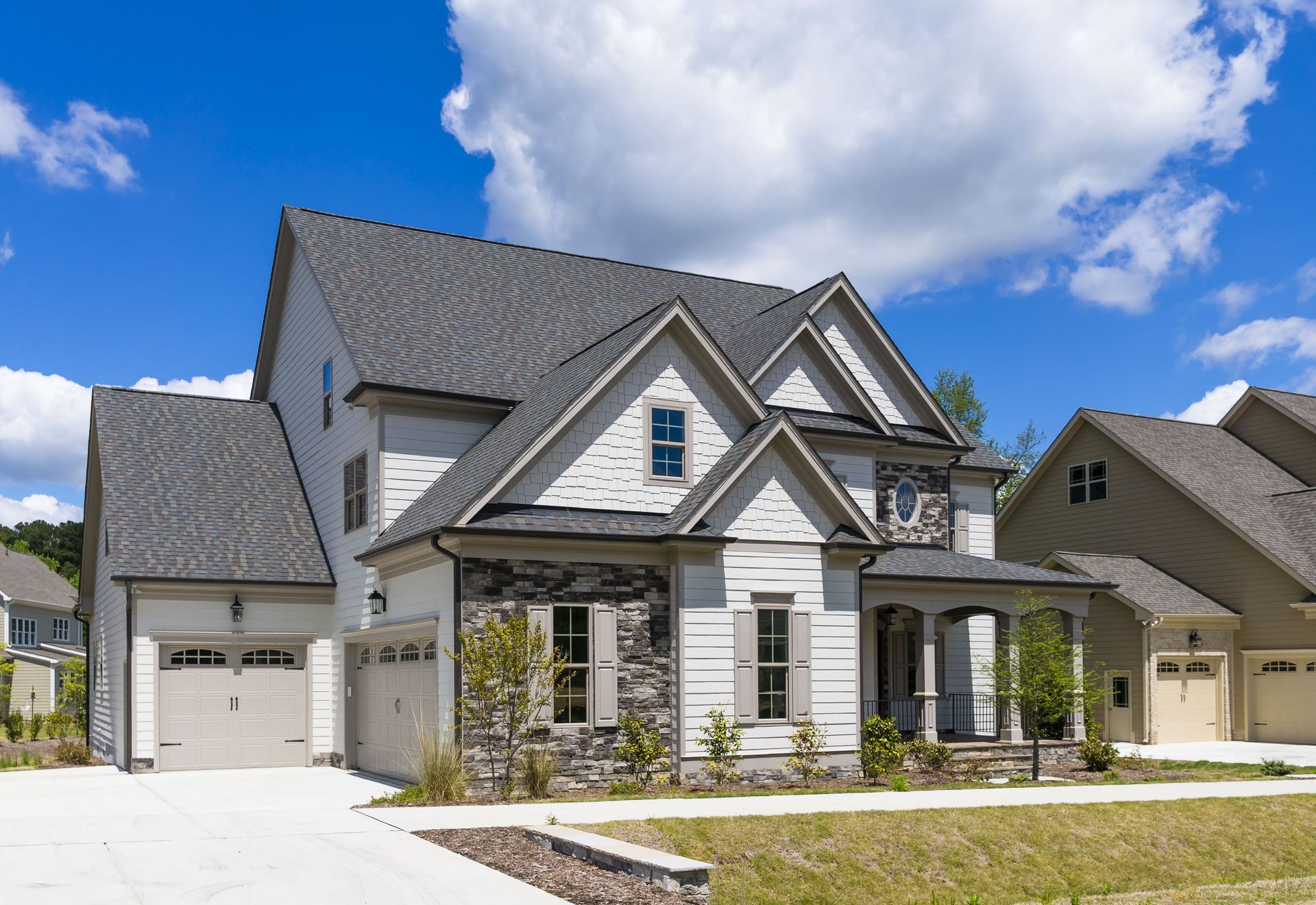
Curb appeal is one of the strongest drivers of buyer interest and plays a major role in early property evaluations. The exterior appearance of a property often determines whether potential buyers choose to engage further. Contractors enhance curb appeal by delivering clean, consistent, and visually appealing finishes that elevate first impressions.
A freshly painted property immediately communicates care and maintenance, which increases perceived value. Painting contractors ensure that color schemes, finishes, and surface quality align with market expectations and architectural style, creating a more attractive overall presentation. Color selection also plays a strategic role in buyer behavior. Neutral and modern tones tend to appeal to broader audiences, while outdated or inconsistent colors can limit market interest. Contractors guide these decisions to maximize appeal and reduce time on market.
Extending Asset Lifespan
Painting serves a protective function that extends far beyond appearance. Building materials are constantly exposed to environmental stressors such as moisture, sunlight, and temperature fluctuations. Contractors help protect surfaces from these effects through proper coating systems and application techniques. Surface preparation is essential for long-term durability. Painting contractors repair imperfections, clean surfaces, and apply primers that improve adhesion. This ensures that the final coating performs effectively and provides long-lasting protection.
Exterior surfaces benefit significantly from weather-resistant paints that reduce water infiltration and UV damage. These protective layers help prevent structural deterioration and reduce the need for frequent repairs, supporting stronger long-term investment performance.
Maintenance planning further enhances asset lifespan. Contractors often recommend periodic inspections and touch-ups to maintain protective performance. This proactive approach reduces large-scale repair costs and helps preserve property value over time.
Customizing Services
Flexibility is an important advantage of working with Contractors, particularly across different property types and usage requirements. Residential, commercial, and industrial spaces each require different approaches to achieve optimal results. Contractors tailor their services based on project goals and functional needs. Residential projects typically prioritize aesthetics and comfort, while commercial properties emphasize durability and brand consistency. This customization ensures that outcomes align with both design expectations and operational requirements.
Scheduling flexibility is also a key benefit. Contractors coordinate work around occupancy, business operations, or tenant needs to minimize disruption. This is especially important in commercial environments where downtime can affect revenue. Client communication further strengthens customization. Painting contractors collaborate closely with property owners to refine expectations, adjust details, and ensure alignment with investment goals. This ongoing communication improves both satisfaction and project outcomes.
Increasing ROI Performance
When all elements of a painting project are executed effectively, the impact on return on investment becomes significant. Contractors contribute by combining cost control, technical execution, and long-term durability into a structured process that supports financial performance. Properties that are well-maintained consistently perform better in rental and resale markets. Improved appearance increases demand, while reduced maintenance requirements improve profitability. Contractors help ensure both outcomes are achieved through consistent execution standards.
Operational efficiency also plays an important role in ROI improvement. Delays, rework, and inconsistent finishes can reduce financial returns, but structured project management minimizes these risks. Contractors apply standardized workflows that improve predictability and performance outcomes. Over time, these improvements create a compounding effect. Properties that receive regular professional painting retain value more effectively, require fewer corrective investments, and attract stronger buyer and tenant interest. This strengthens long-term investment stability.
Painting is one of the most efficient property improvements available when evaluated through a financial lens. It improves visual appeal, reduces operational costs, enhances safety, and extends asset lifespan. Each of these factors contributes directly to a stronger return on investment. Painting contractors play a critical role in delivering consistent, high-quality results by applying technical expertise at every stage of the project. Their approach ensures that painting improvements enhance both visual appeal and long-term property value while supporting stronger financial returns. For property owners looking to stay competitive and maximize ROI, working with professionals is a practical, high-impact investment. Contact Paintco Painters to get started on your next project.