September 8, 2026
A flawless paint finish can make a commercial property look cleaner, more polished, and more inviting. Achieving that result requires much more than applying paint evenly across a wall. Professional painters carefully prepare surfaces, select appropriate materials, control application techniques, and inspect their work throughout the project. Commercial environments can also present unique challenges because different rooms may experience varying levels of traffic, moisture, and wear. A successful painting project begins with understanding the condition and purpose of each surface. Professional commercial painting contractors use proven methods to create consistent results across large areas while minimizing visible imperfections. They also understand how lighting, color, texture, and application methods affect the final appearance. By learning about these techniques, property owners can better understand what goes into a professional commercial painting project.
Prepare Every Surface Carefully
Proper preparation is one of the most important steps in achieving a smooth and durable finish. Painters begin by examining walls, ceilings, trim, doors, and other surfaces for damage or imperfections. Cracks, holes, peeling paint, stains, and uneven areas may need to be repaired before new coatings are applied. Surfaces are also cleaned to remove dust, grease, dirt, and other contaminants that could interfere with adhesion. Commercial painting contractors may sand rough areas to create a more uniform surface for the new coating. Primers can also be used when surfaces require additional coverage, adhesion, or stain blocking. Taking time to prepare the substrate helps prevent imperfections from showing through the finished paint. Although preparation may take considerable time, it can have a major influence on the appearance and longevity of the completed project.
Select Appropriate Paint Materials
Choosing the right paint is another important part of achieving professional results. Different commercial spaces may require coatings with different characteristics based on their function and environmental conditions. High-traffic hallways, offices, warehouses, healthcare spaces, and retail environments can each have different performance requirements. Painters consider factors such as durability, cleanability, sheen, coverage, and surface compatibility when selecting products. According to Market Data Forecast, the acrylic resin segment represented 54.3% of the U.S. paint market share in 2025. This illustrates the significant role acrylic-based materials play within the broader paint market. Commercial painting contractors can evaluate the project requirements and recommend coatings appropriate for the surfaces being painted. Selecting suitable materials can help produce a consistent appearance while supporting the long-term performance of the finish.
Control Application Techniques
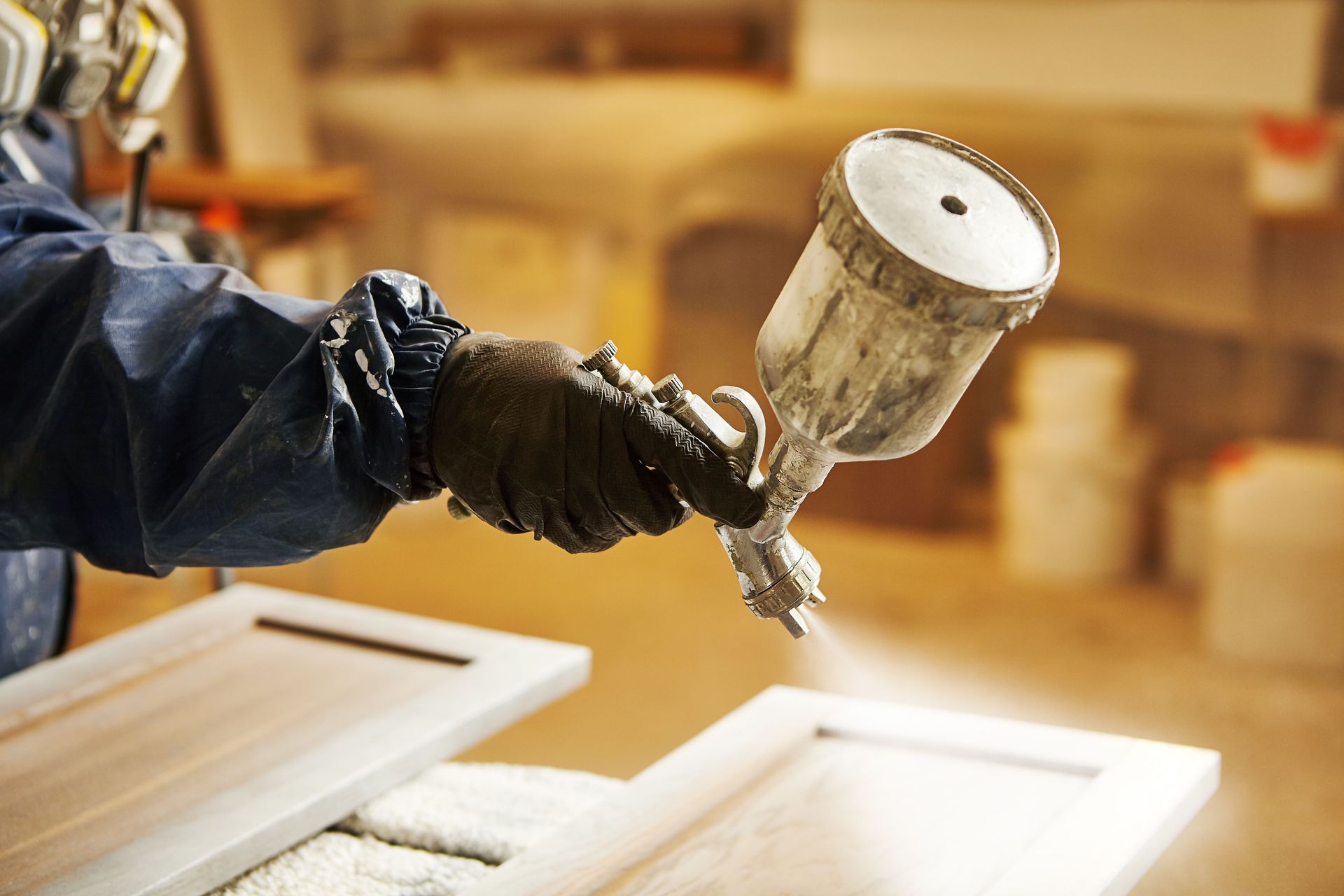
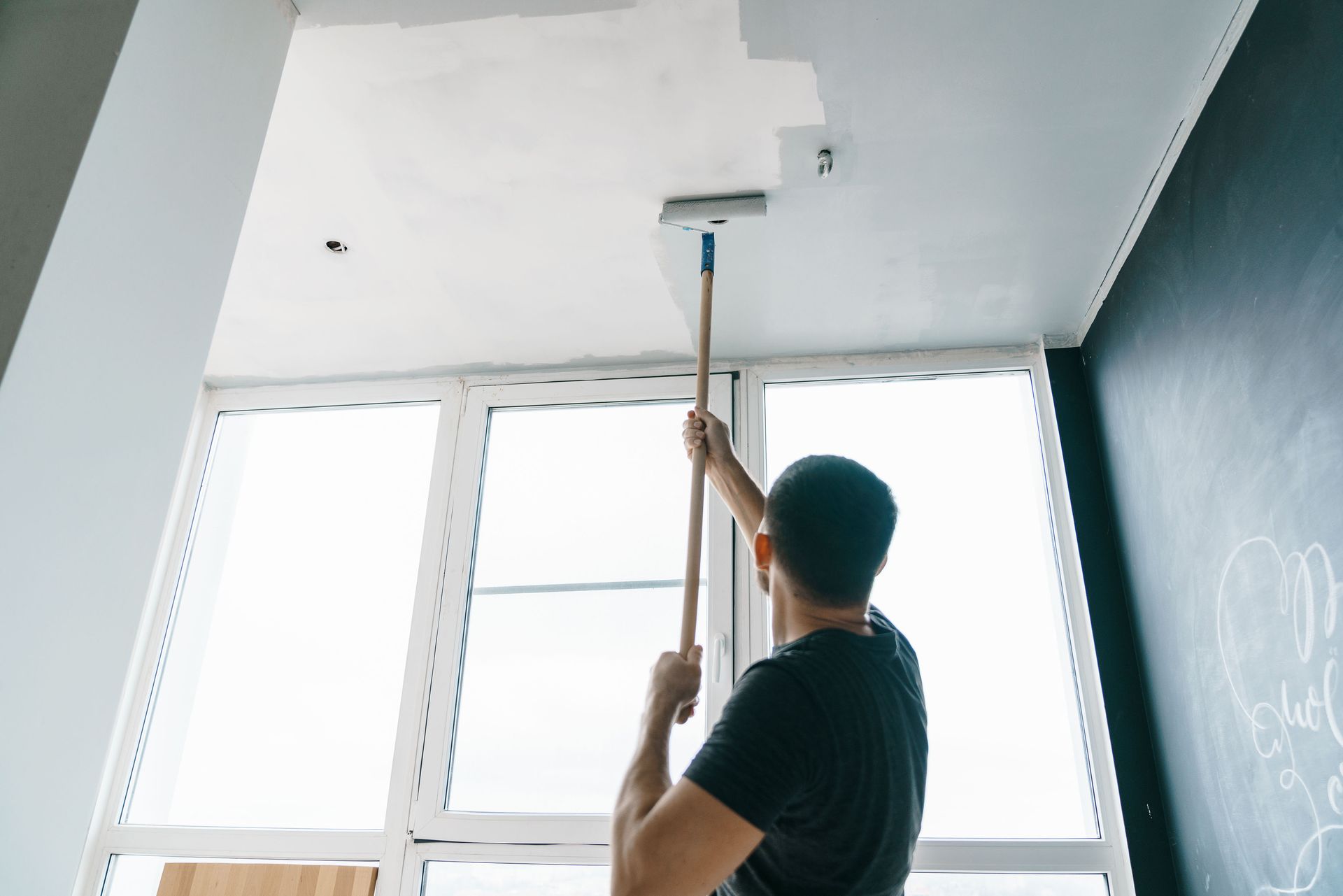
The way paint is applied can influence how smooth and uniform the final result looks. Professional painters select brushes, rollers, or spray equipment based on the surface and coating being used. Rollers can provide efficient coverage across broad walls, while brushes are useful for edges, corners, trim, and detailed areas. Spraying can create a consistent finish on certain large or complex surfaces when the surrounding area is properly protected. Commercial painting contractors carefully control application pressure and coverage to avoid excessive buildup or thin spots. They also maintain consistent techniques when moving across large areas to reduce visible differences. Proper application helps minimize problems such as drips, streaks, roller marks, and uneven texture. Experienced painters understand that small adjustments during application can make a noticeable difference in the finished appearance.
Maintain Consistent Coverage
Consistent coverage is essential when painting large commercial spaces. Uneven application can become especially noticeable under bright lighting or across expansive walls. Professional painters work systematically to maintain similar thickness and coverage throughout each section. They also pay attention to overlaps and transitions between areas to prevent visible lines from developing. Commercial painting contractors may divide larger surfaces into manageable sections so wet edges can be maintained during application. This approach can help create a more uniform appearance across the entire surface. Multiple coats may be necessary when changing colors dramatically or when additional coverage is required. Careful attention to coverage helps create the clean, cohesive finish expected in a professionally painted commercial property.
Manage Edges and Detail Work
Clean edges can make a major difference in the overall appearance of a commercial painting project. Painters carefully address corners, trim, door frames, windows, baseboards, and other areas where different surfaces meet. Straight lines require controlled application and careful preparation, particularly when contrasting colors are involved. Professional painters may use masking materials when necessary to protect adjacent surfaces and create precise transitions. Commercial painting contractors also take time to inspect detail areas rather than treating them as minor finishing tasks. Small drips, missed spots, or uneven edges can stand out once the surrounding paint has dried. Correcting these imperfections before completing the project can improve the overall presentation. Attention to detail helps give commercial interiors and exteriors a more refined and finished appearance.
Control Environmental Conditions
Environmental conditions can affect how paint behaves while it is being applied and while it dries. Temperature, humidity, airflow, and ventilation may influence drying times, adhesion, and the final appearance of certain coatings. Professional painters consider these factors before and during the application process. Commercial painting contractors may adjust scheduling or application methods when conditions could interfere with the coating's performance. Interior projects can also require appropriate ventilation to support drying and maintain a suitable work environment. Exterior painters must pay attention to weather conditions because rain, excessive moisture, or extreme temperatures can affect the project. Managing these variables can help coatings cure properly and produce more consistent results. Proper environmental control is especially important when a project involves multiple rooms or extensive surface areas.
Protect Surrounding Areas
A professional finish also depends on protecting surfaces that are not supposed to receive paint. Floors, furniture, equipment, fixtures, windows, landscaping, and other nearby elements may require protective coverings during the project. Painters carefully prepare the work area before opening paint containers or beginning application. Commercial painting contractors use drop cloths, masking materials, barriers, and other protective measures based on the project requirements. Keeping the surrounding area protected can reduce the risk of accidental splatters and unnecessary cleanup. It also allows painters to work more efficiently because they can focus on the intended surfaces. Once painting is complete, protective materials can be removed and the area inspected for any stray paint. Thorough preparation and cleanup contribute to the professional appearance of the finished project.
Perform Detailed Final Inspections
Inspection is an important final step because imperfections can become easier to identify after the paint has dried. Professional painters review completed surfaces for missed areas, inconsistent coverage, drips, marks, and other visible issues. They may examine the work from different angles and under different lighting conditions. Commercial painting contractors can then correct minor imperfections before considering the project complete. This final review is particularly important in commercial spaces where large walls and prominent areas are highly visible to employees, customers, and visitors. A detailed inspection can also help confirm that trim, corners, doors, and other areas have received appropriate attention. Small corrections made during this stage can significantly improve the overall result. Quality control helps ensure that the finished property reflects the level of care expected from professional painters.
A flawless commercial paint finish depends on a combination of preparation, material selection, application skill, environmental control, and careful inspection. Each stage contributes to the appearance and performance of the completed project. Professional painters do not simply cover surfaces with color; they evaluate conditions and use techniques designed for the specific property. Proper preparation can prevent imperfections, while suitable coatings can provide the durability needed for demanding environments. Consistent application and attention to detail can create a more uniform appearance across large areas. Paintco Painters understands the importance of combining these techniques to deliver carefully finished commercial spaces. Professional workmanship can help businesses create environments that look polished while supporting their practical needs.
If your commercial property needs a fresh, professional finish, contact us today to discuss your project and schedule service with experienced commercial painting contractors.