January 22, 2026
In the painting industry, achieving both quality and durability is essential for every project. Painting contractors play a key role in making sure each job not only looks great but also lasts for years. These professionals use proven techniques and materials to maintain high standards, protecting surfaces and enhancing visual appeal. By relying on skilled painting contractors, clients can enjoy results that are both beautiful and long-lasting.
Performing a Comprehensive Project Assessment
Before embarking on any painting project, contractors must conduct a thorough project assessment. This involves understanding the client's needs and preferences, which include selecting color schemes and desired finishes. By capturing this information, contractors can tailor their approach to meet exact client expectations. Site evaluations are another critical aspect of the assessment phase, where contractors visit the location, evaluate the conditions, and anticipate potential challenges.
Identifying potential challenges is a proactive step in ensuring project success. Painting contractors assess potential obstacles such as weather conditions, surface types, and structural issues that may impact the painting process. By identifying these challenges early on, contractors can develop strategies to mitigate risks and prevent costly delays. Additionally, they provide clients with detailed estimates of project costs and timelines, aligning expectations and facilitating informed decision-making.
The accuracy of the project assessments directly influences the quality and durability of the final result. Contractors who invest time in understanding the client's vision, conducting thorough site evaluations, and anticipating potential problems are better equipped to deliver exceptional outcomes. By developing a custom plan of action, they ensure that resources are allocated efficiently and that every aspect of the project is addressed with precision.
Choosing the Right Materials
Selecting the appropriate materials is critical to achieving both quality and durability in painting projects. High-quality paint products play a pivotal role in the success of a project, as they offer superior coverage, vibrant colors, and resistance to environmental factors. Painting contractors must evaluate surface compatibility to ensure that the chosen paint adheres effectively to the substrate, preventing premature deterioration. Additionally, understanding environmental considerations, such as humidity and temperature fluctuations, helps contractors select materials that withstand these challenges.
Environmental conditions heavily influence material selection, especially in regions with extreme weather. Contractors assess factors like UV exposure, moisture levels, and temperature variations to identify paint products that can endure these conditions. In doing so, they minimize the risk of peeling, cracking, or fading, ensuring the project's longevity. A well-informed choice of materials also takes into account surface compatibility, guaranteeing an even and long-lasting finish.
The decision-making process involves a meticulous evaluation of available products and thorough research into their performance and reliability. Comparing brands and suppliers allows contractors to identify the best options for their specific project requirements. By considering factors such as longevity and maintenance, contractors prioritize materials that require minimal upkeep while maintaining their quality over time. This strategic approach ensures that painting contractors uphold their commitment to delivering top-notch results that endure, fostering client trust and sustaining their reputation for excellence.
Preparing Surfaces Thoroughly
Effective surface preparation is a fundamental step in ensuring the longevity and durability of a painting project. Thorough cleaning and degreasing are essential to remove dirt, dust, and contaminants from the surface, ensuring optimal adhesion of the paint. Painting contractors meticulously inspect surfaces for imperfections such as cracks, holes, and uneven textures that may compromise the final result.
Masking and protecting adjacent areas during surface preparation is crucial to prevent accidental spills and overpainting. This practice not only ensures a clean and professional finish but also protects non-painted surfaces from damage. Adequate drying time between cleaning, repairs, and primer application is essential to prevent peeling and ensure the paint bonds effectively with the surface. According to Forbes, a professional painter can typically handle between 150 and 350 feet per hour, emphasizing the importance of precision and attention to detail during surface preparation.
The time invested in surface preparation is a testament to a contractor's commitment to excellence. By prioritizing this phase of the project, contractors ensure that the chosen materials adhere properly and maintain their integrity over time. This meticulous approach not only enhances the visual appeal of the final result but also prevents issues such as peeling, cracking, or premature wear. Ultimately, thorough surface preparation is a cornerstone of achieving client satisfaction, as it contributes to the enduring quality and durability of the painting job.
Employing Expert Application Techniques
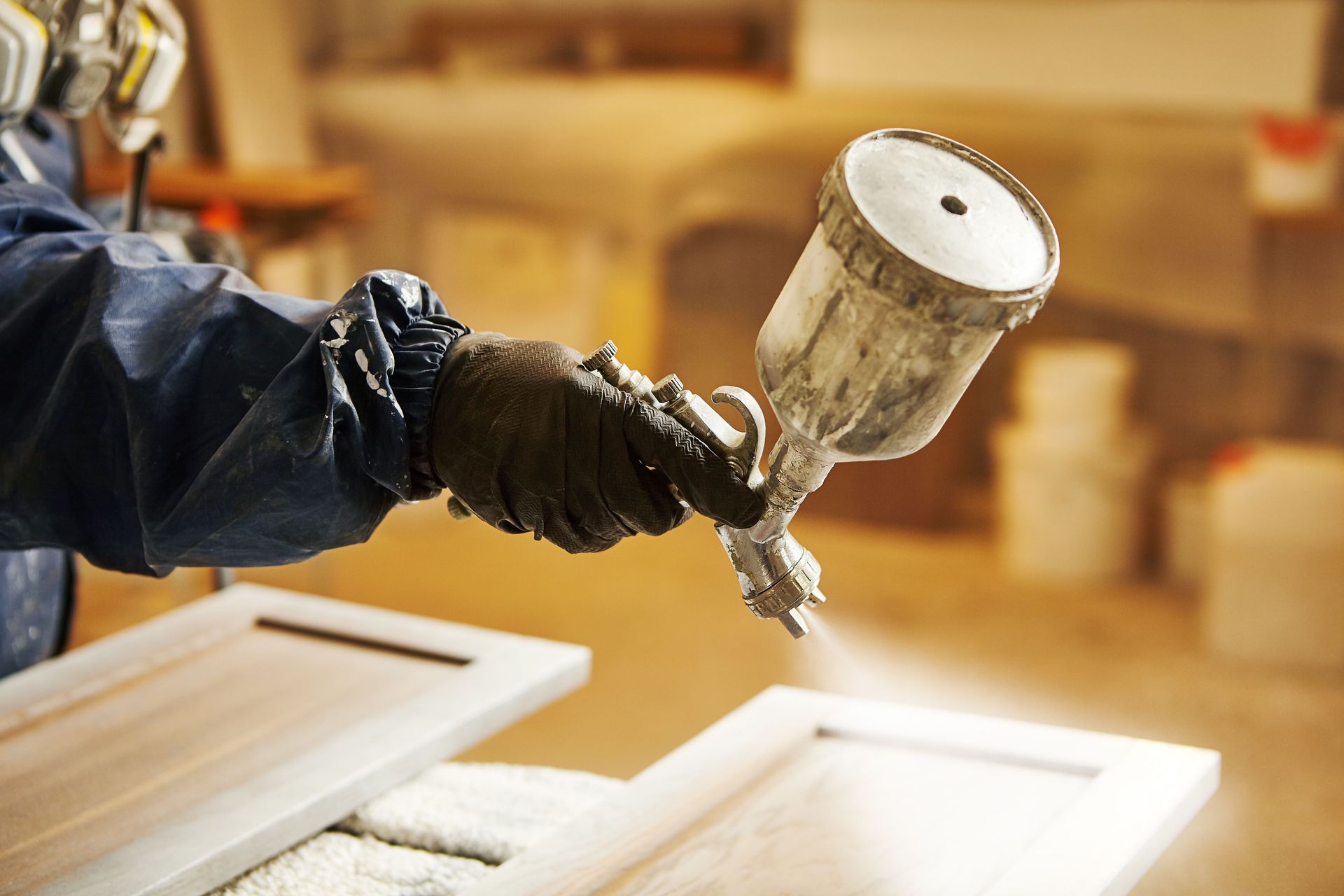
The application phase of a painting project demands a high level of skill and expertise to achieve a flawless finish. Contractors utilize proper equipment, including brushes, rollers, and sprayers, to ensure even coverage and smooth application of paint. The implementation of advanced painting methods, such as cutting in and blending techniques, further enhances the project's overall quality. Managing paint consistency and coverage requires a keen eye for detail, as well as an understanding of how environmental conditions can impact drying times.
Painters continuously monitor conditions such as temperature and humidity, which can significantly affect the curing process and final appearance of the paint. They apply their expertise to make necessary adaptations, ensuring the seamless execution of the project despite varying conditions. A contractor's ability to manage paint consistency and coverage is crucial in achieving a uniform look and minimizing visible brush strokes or roller marks. By expertly employing these techniques, contractors elevate the quality of the finished project, exceeding client expectations.
During the application phase, the contractors' precision translates into the longevity and durability of the final product. A smooth, even coating not only enhances the aesthetic appeal of the project but also provides a robust protective layer against environmental factors. Employing expert techniques ensures that the final result remains vibrant and intact for years to come, minimizing the need for frequent maintenance.
Implementing Rigorous Quality Control
Quality control is a pivotal aspect of painting contractors' operations, acting as the final assurance of the project's success. Establishing clear standards from the outset outlines the expectations and benchmarks for quality that contractors strive to meet. This includes specifying the level of finish, color accuracy, and durability requirements for each project. Conducting interim inspections throughout the painting process enables contractors to identify potential issues early, allowing for timely corrections. By engaging client feedback, contractors ensure that the project aligns with their expectations and make necessary adjustments to satisfy client preferences.
Effective quality control involves documenting and addressing issues as they arise, preventing minor problems from escalating into significant concerns. Painters meticulously record progress, noting any deviations from the planned approach and implementing corrective measures promptly. Final review and quality assurance check the project's adherence to established standards, guaranteeing that the outcome meets both the client's and the contractor's expectations. This thorough approach to quality control underscores the contractor's commitment to delivering superior results, reinforcing trust and credibility in the industry.
Implementing rigorous quality control protocols ensures that painting contractors deliver exceptional outcomes with consistency. By establishing clear standards and conducting inspections at various stages, contractors uphold their reputation for reliability and excellence. Engaging clients throughout the process fosters positive relationships, enhancing satisfaction and fostering long-term partnerships.
Painting contractors achieve quality and durability through careful planning, skilled techniques, and strict adherence to standards. They maintain client satisfaction and lasting beauty by providing ongoing support throughout each project. By consistently delivering impressive, long-lasting results, contractors uphold their reputation within the industry. Contact Paintco Painters if you're looking to refresh your space with a high-quality painting project.